

I’ll admit it.
ChatGPT has become my new best friend.
Not in the “I’ve replaced human interaction” kind of way, but in the way every good collaborator earns their place. It’s there when I need to think something through, test an idea, or untangle a problem that would have taken me hours just a few years ago.
And yes… it makes some things ridiculously easy.
Coding? Faster.
Debugging? Less painful.
Working with Excel formulas that used to require a deep dive into forums? Now it’s a conversation.
Instead of searching, scrolling, and stitching together half-answers, I just ask.
And it responds.
The Illusion of Effortless AI
From the outside, it probably looks like magic.
Type a question AND get a polished answer.
Ask for code AND get something that works.
Need an Excel formula AND it’s done in seconds.
It’s tempting to think:
“This is easy. Anyone can do this.”
But here’s the part we don’t talk about enough…
It only looks easy because of what’s happening behind the scenes.
What 30 Years of Computer Science, Teaching and Dev Experience has Taught Me
I’ve spent over 30 years working in computer science and software development.
That matters.
Not because I can code faster than everyone else, but because I know how to think in this space.
I know:
what a good answer looks like
when something is slightly off
how to refine a question to get closer to what I need
how to break a messy problem into smaller parts
So when I “talk” to ChatGPT, I’m not just asking questions.
I’m iterating.
I’m probing.
I’m steering the conversation.
In many ways, I’m doing what I’ve always done as a developer just with a much more responsive partner.

Why It Feels Like a Superpower
This is where things get interesting.
AI hasn’t replaced my expertise.
It’s amplified it.
What used to take:
2 hours of debugging
30 minutes of Googling
multiple failed attempts
…can now happen in minutes.
But the thinking hasn’t disappeared.
If anything, it’s become more important.
Because now the bottleneck isn’t:
“Can I find the answer?”
It’s:
“Can I ask the right question?”
And This Is Where Students Struggle
For many students, this is the gap.
They see the same tool I do, but they don’t get the same results.
Not because they’re less capable.
But because they haven’t yet built:
the vocabulary
the conceptual understanding
the mental models
the confidence to challenge or refine an answer
As I’ve explored throughout The AI Educator, every new technology exposes existing cracks in how we design learning.
AI is no different.
It doesn’t just give answers.
It reveals who knows how to engage with answers.
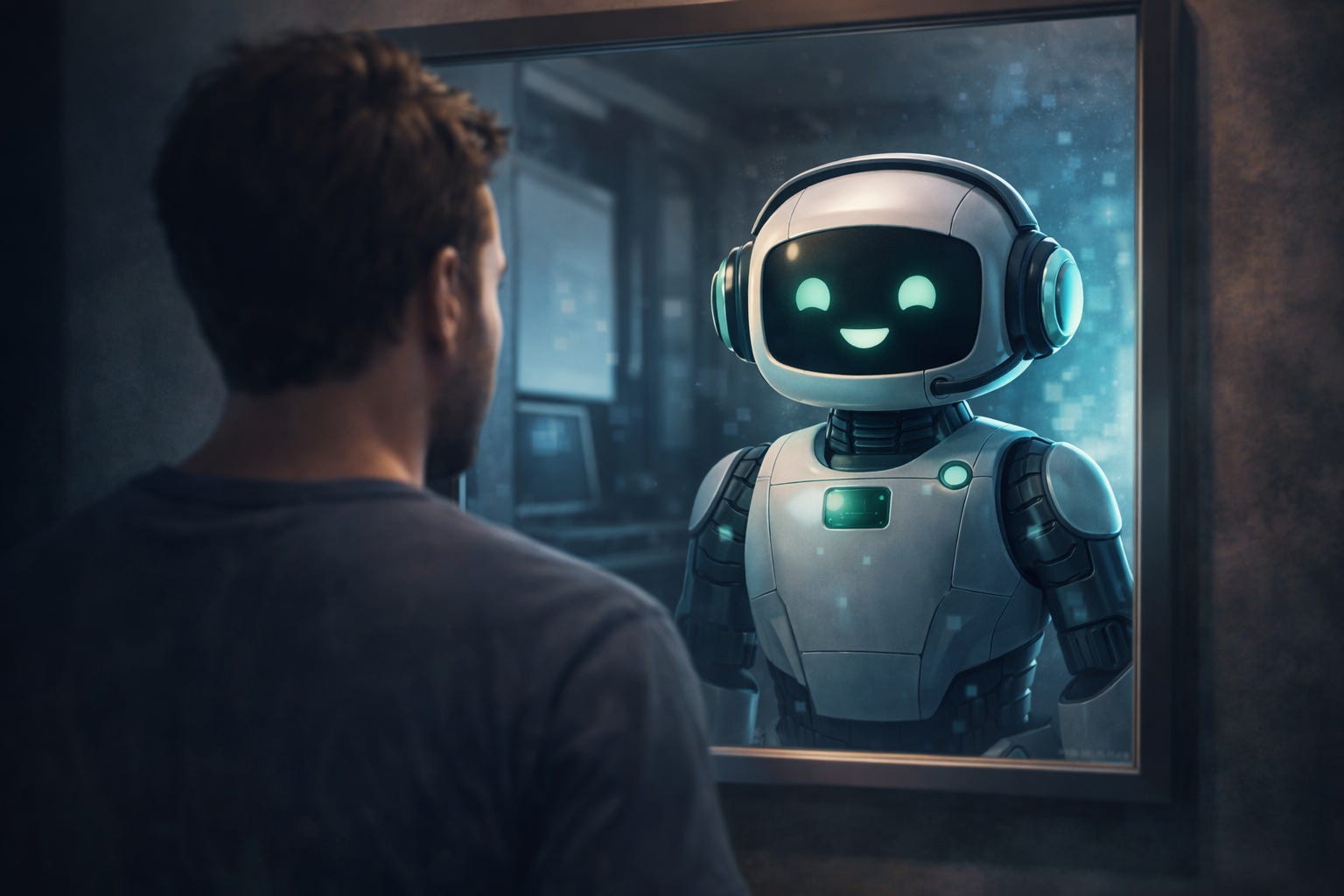
AI Isn’t the Shortcut. It’s the Mirror
Here’s the uncomfortable truth:
AI doesn’t level the playing field.
It often widens the gap.
Those who know how to think, question, and refine?
They get exponentially better results.
Those who don’t?
They get fast answers… but shallow understanding.
As highlighted in my book, when tools do the thinking for us, we risk bypassing the very processes that lead to deep learning.
So What Do We Do About It?
If ChatGPT is going to be everyone’s “best friend,” then we need to teach people how to have better conversations with it.
That means helping students:
build domain knowledge (so they can recognise good vs bad outputs)
develop vocabulary (so they can ask precise questions)
practise prompting as a form of thinking; not just asking
reflect on AI responses, not just accept them
Because prompting isn’t a trick.
It’s a literacy.
In fact, as I’ve argued elsewhere, it’s quickly becoming one of the most important skills students can develop, right alongside reading, writing, and critical thinking.
Final Thought
ChatGPT might be my new best friend.
But like any good friendship, it works because of what I bring to the table.
The better I think, the better it responds.
And that’s the shift we need to help students understand:
AI doesn’t replace your intelligence.
It reveals it.